
EMDR Therapy
without being weighed down by the past

What is EMDR Therapy?
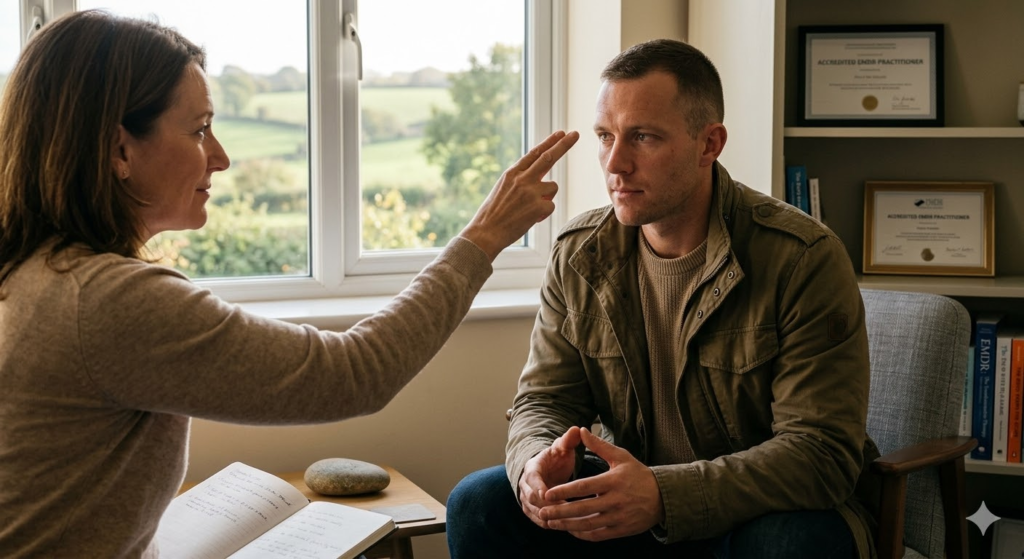
Think of it like a physical wound. If you have a cut and something is constantly irritating it, the wound can’t heal. But once that block is removed, your body’s natural healing process kicks in. EMDR works similarly for the mind. When we experience something deeply overwhelming, the memory can get “stuck” in the brain, along with the original sights, sounds, thoughts, and feelings. EMDR uses bilateral stimulation—usually through guided side-to-side eye movements, gentle tapping, or sounds—to remove that block. This allows your brain to safely process the memory so it is no longer emotionally painful or intrusive
What Can EMDR Help With?
People often seek EMDR for:
Trauma and PTSD
Severe anxiety and panic attacks
Phobias
Complicated grief and loss
Performance anxiety
Disturbing memories or life events that feel hard to move past
Often, distressing memories that do not meet the full criteria for a PTSD diagnosis still cast a long shadow over our lives. EMDR can help lift that weight, showing its breadth far beyond traditional trauma work.
My Experience with EMDR
I have undertaken specialist, accredited training in EMDR and have seen firsthand how transformative it can be. In my practice, both locally in Hampshire and across the UK, I use EMDR to support a highly diverse range of people. This includes civilians navigating anxiety or childhood difficulties, as well as military veterans managing complex, combat-related trauma.

Common Questions
About EMDR
Will I have to describe everything that happened in detail?
No. One of the biggest benefits of EMDR is that you don’t need to talk extensively about the distressing event. The processing happens internally within your brain, making it a gentler option if you struggle to speak about what happened.
How many sessions does it take?
This varies entirely from person to person. A single, distinct traumatic event might be processed in a handful of sessions, whereas multiple or longer-term traumas will naturally take more time. We will continually review your progress together.
Is it safe? What if I get overwhelmed?
EMDR is a very safe and carefully paced therapy. We spend as much time as needed in the preparation phase to ensure you have the emotional tools to manage any distress. You are always in the driver’s seat.
Does it work online?
Yes. EMDR is highly adaptable and has been proven to be just as effective in online sessions as it is face-to-face in my Hampshire clinic. We can use specialised software for visual tracking or simple self-tapping techniques that are very easy to follow.